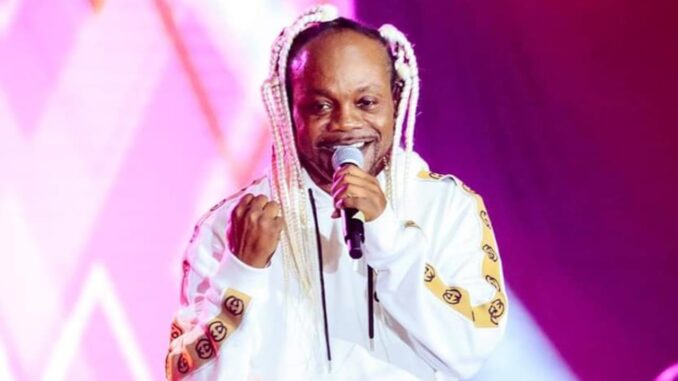
Daddy Lumba is one of the most influential and celebrated musicians in the history of Ghanaian music. Known for his deep lyrical content, emotional storytelling, and unique vocal delivery, Daddy Lumba has dominated the highlife music scene for decades.
His songs explore love, heartbreak, social issues, morality, and everyday life, making his music relatable across generations. With a career spanning over three decades, Daddy Lumba is not just a musician but a cultural icon whose work has shaped modern Ghanaian music.
Early Life and Background
Daddy Lumba was born as Charles Kwadwo Fosu on September 29, 1964, in Nsuta, a town in the Ashanti Region of Ghana. He grew up in a musically inclined environment where traditional rhythms and highlife melodies were part of everyday life. From a young age, he showed strong interest in music and often participated in school and community performances.
During his childhood, Daddy Lumba learned to play musical instruments and developed a passion for singing. His early exposure to Ghanaian traditional music, combined with church influences, helped shape his musical foundation. These formative years laid the groundwork for what would later become an extraordinary music career.
Education
Daddy Lumba attended Juaben Senior High School, where his musical talents became even more evident. While in school, he actively participated in cultural and musical activities. His time in secondary school played a crucial role in refining his skills and confidence as a performer. Although academics were important, music gradually became his primary focus and life calling.
Musical Career Beginnings
Daddy Lumba’s professional music journey began in the early 1980s when he traveled to Germany. It was there that he met fellow Ghanaian musician Nana Acheampong. Together, they formed the famous duo known as Lumba Brothers. The duo released their first album, “Yɛɛyɛ Aka Akwantuo Mu,” which gained significant popularity among Ghanaians both at home and abroad.
The success of the Lumba Brothers marked the beginning of Daddy Lumba’s rise in the Ghanaian music industry. However, after some time, the duo parted ways, and Daddy Lumba decided to pursue a solo career, a decision that would prove to be one of the most impactful in Ghanaian music history.
Rise to Stardom
Daddy Lumba’s solo career took off in the late 1980s and early 1990s. He released several hit albums that resonated deeply with listeners. His ability to blend traditional highlife rhythms with contemporary sounds set him apart from many of his peers.
Songs like “Aben Wo Ha,” “Theresa,” “Yentie Obiaa,” and “Makra Mo” became anthems across Ghana. Daddy Lumba’s music was not just entertaining but also thought-provoking, often addressing sensitive topics such as relationships, betrayal, success, and societal hypocrisy.
Musical Style and Themes
Daddy Lumba is widely known for his storytelling ability. His music often reflects real-life experiences, making his songs emotionally powerful and authentic. He sings predominantly in the Twi language, which allows him to connect deeply with his audience.
His themes include love, heartbreak, moral lessons, social commentary, and celebration of life. Daddy Lumba is also known for his boldness in addressing controversial topics, earning him both admiration and criticism. Nevertheless, his honesty and originality have solidified his place as a true legend.
Albums and Popular Songs
Over the years, Daddy Lumba has released more than 30 albums, an achievement that highlights his consistency and dedication to music.
- Yɛɛyɛ Aka Akwantuo Mu
- Aben Wo Ha
- Theresa
- Sika Asem
- Makra Mo
- Yentie Obiaa
- Wo Ho Kyere
- Mpempem Do Me
These songs continue to enjoy massive airplay and are frequently played at social events, parties, and radio stations across Ghana and beyond.
Awards and Achievements
Daddy Lumba has received numerous awards and honors for his contribution to music. He has won multiple Ghana Music Awards and lifetime achievement recognitions. His influence on highlife and modern Ghanaian music is undeniable, as many younger artists cite him as a major inspiration.
Beyond awards, Daddy Lumba’s true achievement lies in his lasting relevance. Even decades after his debut, his songs remain popular and continue to attract new audiences.
Personal Life
Daddy Lumba is known to be a private individual who keeps much of his personal life away from the public eye. Despite his fame, he has managed to maintain a level of mystery around his family and relationships. This privacy has allowed his music to remain the primary focus of his public identity.
Net Worth
Daddy Lumba’s net worth is estimated to be substantial, accumulated through album sales, live performances, endorsements, and royalties. As one of Ghana’s most successful musicians, he has enjoyed financial success alongside his artistic achievements.
Legacy and Influence
Daddy Lumba’s impact on Ghanaian music cannot be overstated. He is widely regarded as one of the greatest highlife musicians of all time. His ability to evolve with changing musical trends while staying true to his roots has ensured his longevity in the industry.
Many contemporary Ghanaian musicians have drawn inspiration from Daddy Lumba’s lyrical depth, musical arrangements, and fearless creativity. His legacy continues to shape the future of Ghanaian music.
FAQs
Who is Daddy Lumba?
Daddy Lumba is a legendary Ghanaian highlife musician known for his emotional songs and long-lasting impact on Ghanaian music.
What is Daddy Lumba’s real name?
His real name is Charles Kwadwo Fosu.
When was Daddy Lumba born?
He was born on September 29, 1964.
Where is Daddy Lumba from?
He is from Nsuta in the Ashanti Region of Ghana.
How many albums has Daddy Lumba released?
Daddy Lumba has released over 30 albums.
Conclusion
Daddy Lumba is more than just a musician; he is a symbol of Ghanaian musical excellence. From his humble beginnings in Nsuta to becoming a household name, his journey is a testament to talent, perseverance, and authenticity. His music continues to inspire, entertain, and educate, ensuring that his legacy will live on for generations to come.
Leave a Reply